
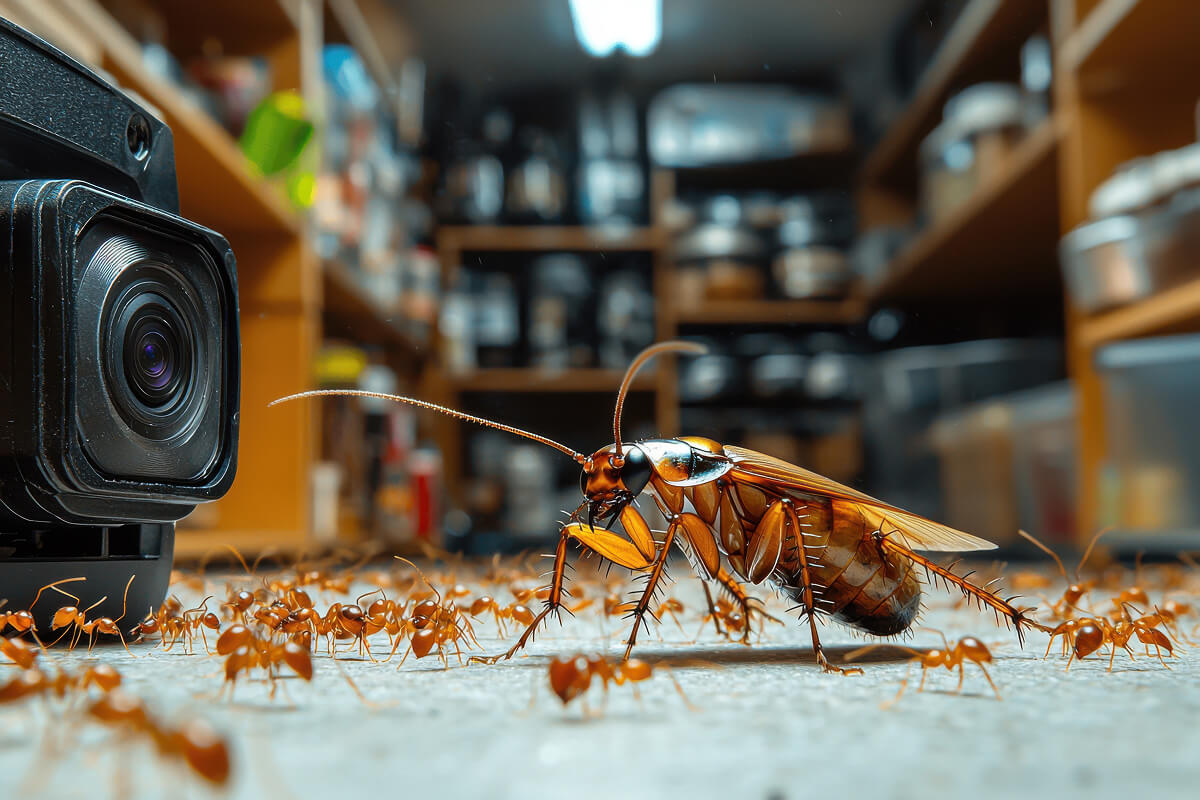
This page helps homeowners explore recurring cockroach-related signs and contributing food, moisture, and harborage conditions without identifying a species or promising a service outcome.
Repeated sightings, small dark spotting or shed material in concealed areas, activity near food or water, and a persistent odor can be useful observations.
Repeated sightings, small dark spotting or shed material in concealed areas, activity near food or water, and a persistent odor can be useful observations.
Food scraps, unsecured storage, garbage, leaks, clutter or cardboard storage, and gaps around pipes, appliances, cabinets, or utilities can contribute.
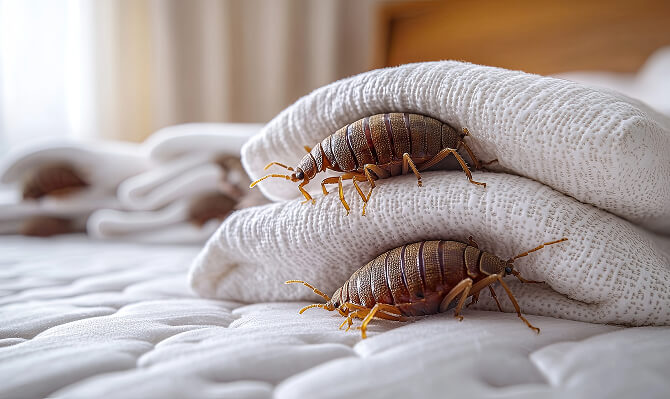
Food scraps, unsecured storage, garbage, leaks, clutter or cardboard storage, and gaps around pipes, appliances, cabinets, or utilities can contribute.
Behind appliances, cabinets, pantries, sinks, bathrooms, utility rooms, trash areas, and pipe or wall transitions are useful locations to note safely.
Repeated activity can affect kitchen, pantry, and bathroom use and may point to a concealed route or harborage condition.
Store food, clean spills, manage garbage, reduce clutter where practical, address leaks, and note the precise location and timing of sightings. These steps do not determine species or scope.
Independent providers set pricing and service terms. Activity locations, access, moisture or food conditions, property size, requested scope, and follow-up needs can affect a local discussion.
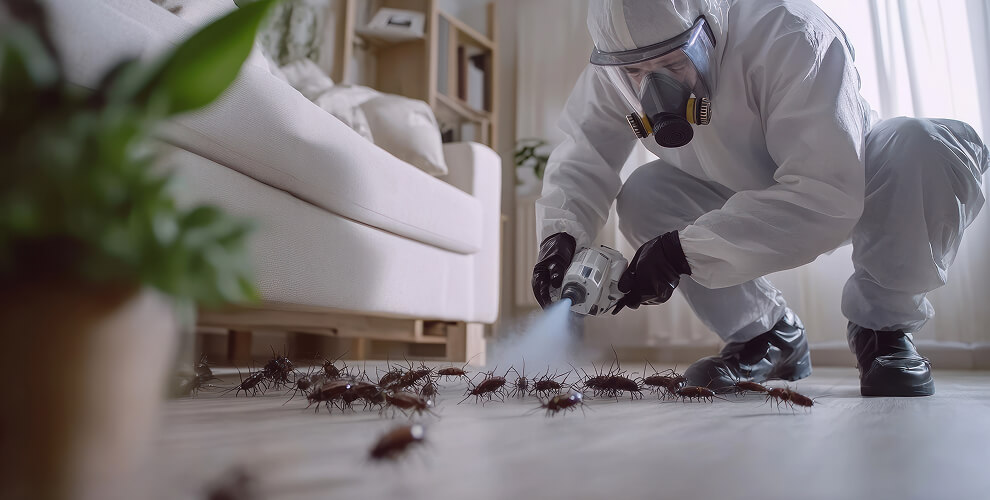
Repeated sightings, small dark spotting or shed material in concealed areas, activity near food or water, or a persistent odor may be relevant. One sign does not identify a species or define the scope.
No. A single sighting can be useful context, but repeated activity, affected areas, conditions, access, and property type can all matter in a provider discussion.
Observe kitchens, pantries, cabinets, sinks, bathrooms, utility rooms, trash or recycling areas, and transitions around pipes, appliances, walls, or cabinets. Avoid disturbing concealed spaces unnecessarily.
Food storage, garbage management, reducing clutter, and addressing visible moisture may reduce contributing conditions. They do not determine the species, source, or service needed in every situation.
Independent providers decide whether they can respond and set their own scope, scheduling, price, and warranty terms. PestReliefUSA provides information and a request path; it does not guarantee availability.
Repeated sightings, small dark spotting or shed material in concealed areas, activity near food or water, or a persistent odor may be relevant. One sign does not identify a species or define the scope.
No. A single sighting can be useful context, but repeated activity, affected areas, conditions, access, and property type can all matter in a provider discussion.
Observe kitchens, pantries, cabinets, sinks, bathrooms, utility rooms, trash or recycling areas, and transitions around pipes, appliances, walls, or cabinets. Avoid disturbing concealed spaces unnecessarily.
Food storage, garbage management, reducing clutter, and addressing visible moisture may reduce contributing conditions. They do not determine the species, source, or service needed in every situation.
Independent providers decide whether they can respond and set their own scope, scheduling, price, and warranty terms. PestReliefUSA provides information and a request path; it does not guarantee availability.
PestReliefUSA helps homeowners understand pest concerns and request connections with independent providers when relevant options are available.
Explore common pest signs, understand your options, and request appropriate local help when you are ready.
* Practical guidance for homeowners comparing pest control options and preparing for local help.
Need help now? Start your request →
Copyright © 2026 PestReliefUSA. All rights reserved.