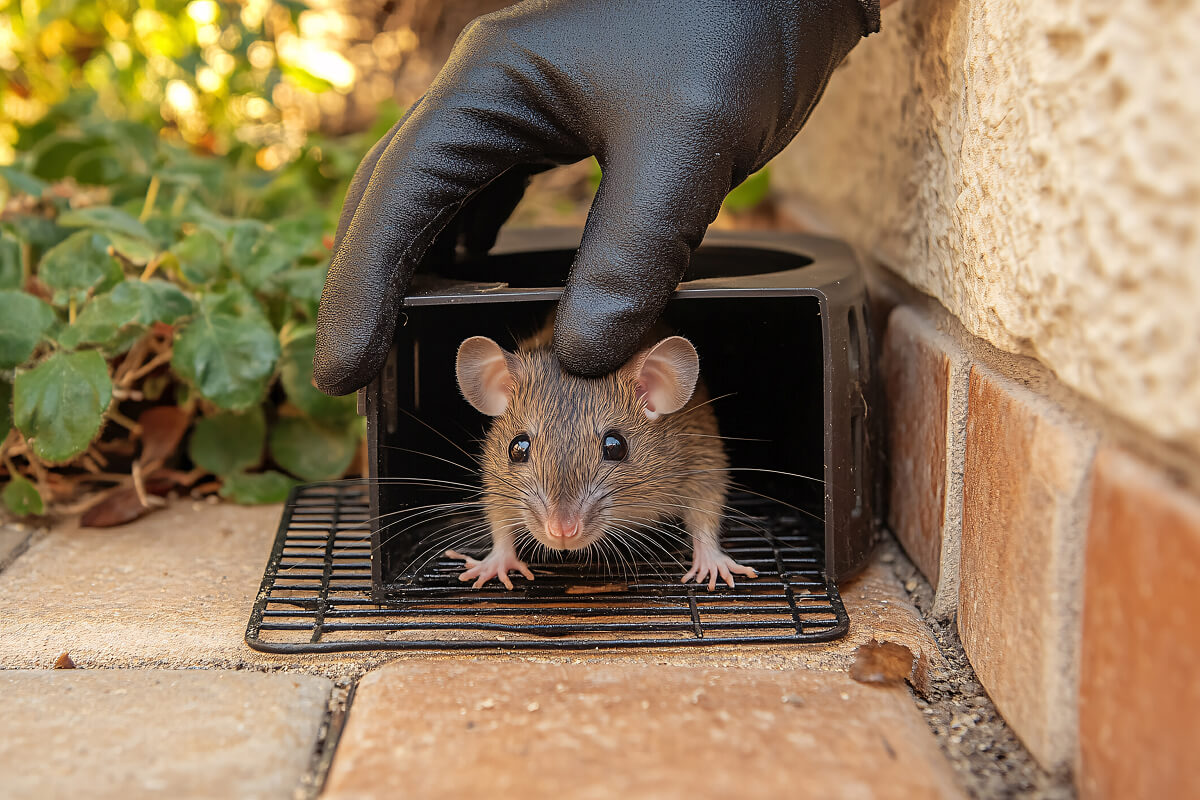
This page helps homeowners explore possible mouse or rat activity and related entry, food, water, or nesting conditions without identifying a species from one sign.
Droppings, gnaw marks, nibbled food packaging, nesting material, odors or marks, and sounds in walls, attics, or low-traffic spaces can be useful observations.
Droppings, gnaw marks, nibbled food packaging, nesting material, odors or marks, and sounds in walls, attics, or low-traffic spaces can be useful observations.
Gaps around pipes, vents, doors, or utilities; accessible food or garbage; cluttered storage; outdoor food sources; and water leaks can contribute.
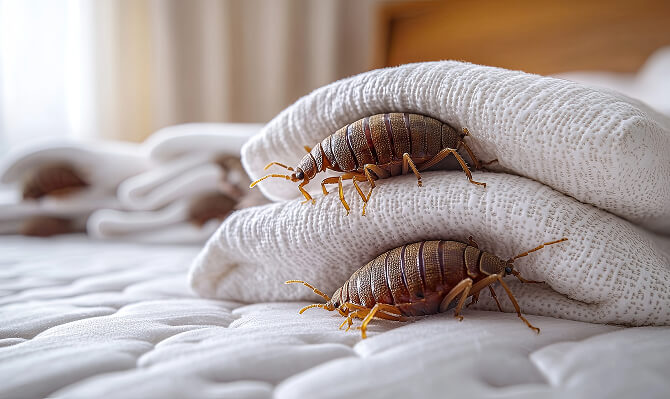
Gaps around pipes, vents, doors, or utilities; accessible food or garbage; cluttered storage; outdoor food sources; and water leaks can contribute.
Behind appliances, cabinets, attics, basements, crawlspaces, garages, storage areas, utility rooms, and exterior entry points are useful places to observe safely. Avoid stirring or handling droppings or nesting material.
Ongoing signs can affect food storage, room use, and hard-to-reach spaces.
Store food and garbage in secure containers, reduce accessible pet food when practical, repair obvious openings where appropriate, reduce clutter, and manage outdoor food or waste sources. These steps do not identify the animal or settle a service decision.
Independent providers set pricing and service terms. The type of activity, access, entry conditions, property size, requested scope, and follow-up needs can affect a local discussion.
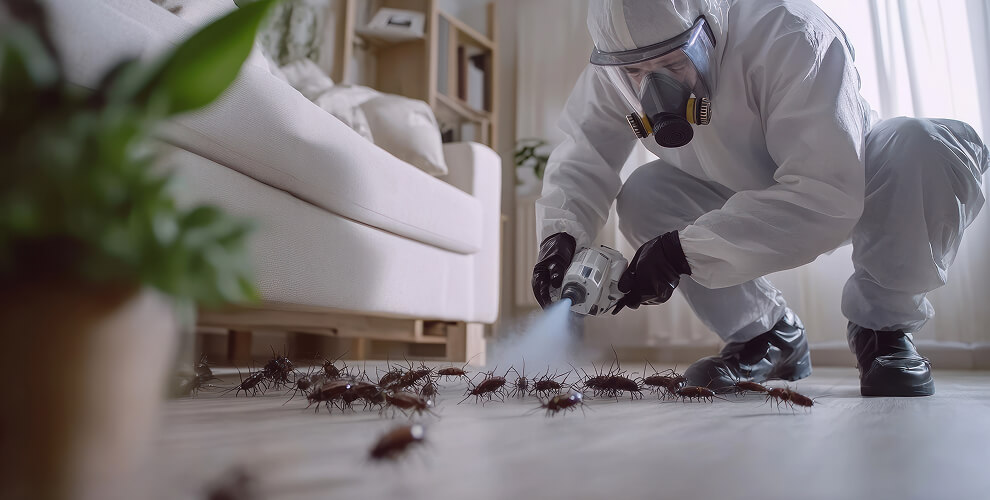
Droppings, gnaw marks, damaged food packaging, nesting material, odors, or sounds in low-traffic spaces may be relevant observations. One sign alone does not identify an animal or define the scope.
Avoid stirring, sweeping, or directly handling suspect material. Keep people and pets away from the area when practical, note the location, and consult an appropriate qualified local source about safe next steps.
Note gaps near pipes, vents, doors, utility lines, storage areas, or exterior transitions. A provider may also ask about food, water, clutter, property layout, and areas that are difficult to access.
Housekeeping and visible exclusion steps may reduce contributing conditions, but they do not identify the animal or settle every cleanup or service decision. Persistent or inaccessible activity may merit a provider discussion.
Independent providers decide whether they can respond and set their own assessment, scope, schedule, price, and warranty terms. PestReliefUSA does not guarantee availability or set those terms.
Droppings, gnaw marks, damaged food packaging, nesting material, odors, or sounds in low-traffic spaces may be relevant observations. One sign alone does not identify an animal or define the scope.
Avoid stirring, sweeping, or directly handling suspect material. Keep people and pets away from the area when practical, note the location, and consult an appropriate qualified local source about safe next steps.
Note gaps near pipes, vents, doors, utility lines, storage areas, or exterior transitions. A provider may also ask about food, water, clutter, property layout, and areas that are difficult to access.
Housekeeping and visible exclusion steps may reduce contributing conditions, but they do not identify the animal or settle every cleanup or service decision. Persistent or inaccessible activity may merit a provider discussion.
Independent providers decide whether they can respond and set their own assessment, scope, schedule, price, and warranty terms. PestReliefUSA does not guarantee availability or set those terms.
PestReliefUSA helps homeowners understand pest concerns and request connections with independent providers when relevant options are available.
Explore common pest signs, understand your options, and request appropriate local help when you are ready.
* Practical guidance for homeowners comparing pest control options and preparing for local help.
Need help now? Start your request →
Copyright © 2026 PestReliefUSA. All rights reserved.