
If you’ve received an inspection report and are now trying to understand what termite treatment might cost, you’ve probably noticed that providers rarely give the same number twice. That’s not an accident. Termite treatment cost depends on a combination of property-specific, infestation-related, and contract variables that a written inspection report begins to reveal — but that only a site visit and written proposal can quantify for your home.
There is no reliable single nationwide price for termite treatment. Published ranges you’ll find online may reflect a single region, a single treatment method, or assumptions about property size and construction that may not apply to your situation. What you can do is understand which factors drive cost, know what a written estimate should cover, and ask the right questions before agreeing to any scope of work.
This guide explains the seven main cost factors, how treatment expenses differ from damage repair costs, and how to compare written proposals. If you’d like to share your property details and explore available next steps, you can share property details and explore available next steps at any time.
How Much Does Termite Treatment Cost—and Why Does It Vary?
Termite treatment is not a fixed-price commodity. According to the U.S. EPA, treatment approaches range from localized liquid applications to full-perimeter soil treatments to bait monitoring systems — and each method involves different labor, materials, and follow-up requirements. Layered on top of that are property variables: size, construction type, access difficulty, and the nature of what an inspection actually found.
Comparing quotes without understanding these variables is like comparing bids on home repairs without knowing whether they cover the same scope. A lower number on paper may reflect a narrower scope — fewer treatment zones, no follow-up monitoring, or a shorter warranty period — rather than a more competitive price for the same work.
For a broader look at how these dynamics apply across pest types, see our guide on broader pest-control pricing factors.
7 Factors That Can Shape a Termite Treatment Quote
1. Property Size and Construction Type
Larger homes generally require more materials, more labor hours, and more time to treat effectively. But square footage is only part of the picture. Construction type — whether your home sits on a concrete slab, has a crawlspace, or has a basement — significantly affects how a treatment can be delivered and how much access work is involved.
Slab-on-grade homes, for example, may require drilling through the concrete to apply soil treatment around the foundation perimeter, while crawlspace homes may require a technician to work in a confined area beneath the structure. Mississippi State University Extension notes that construction type — including slab versus crawlspace — is a recognized factor in termite control costs. Both scenarios take more time and resources than treating an easily accessible perimeter.
2. Access and Treatment Area
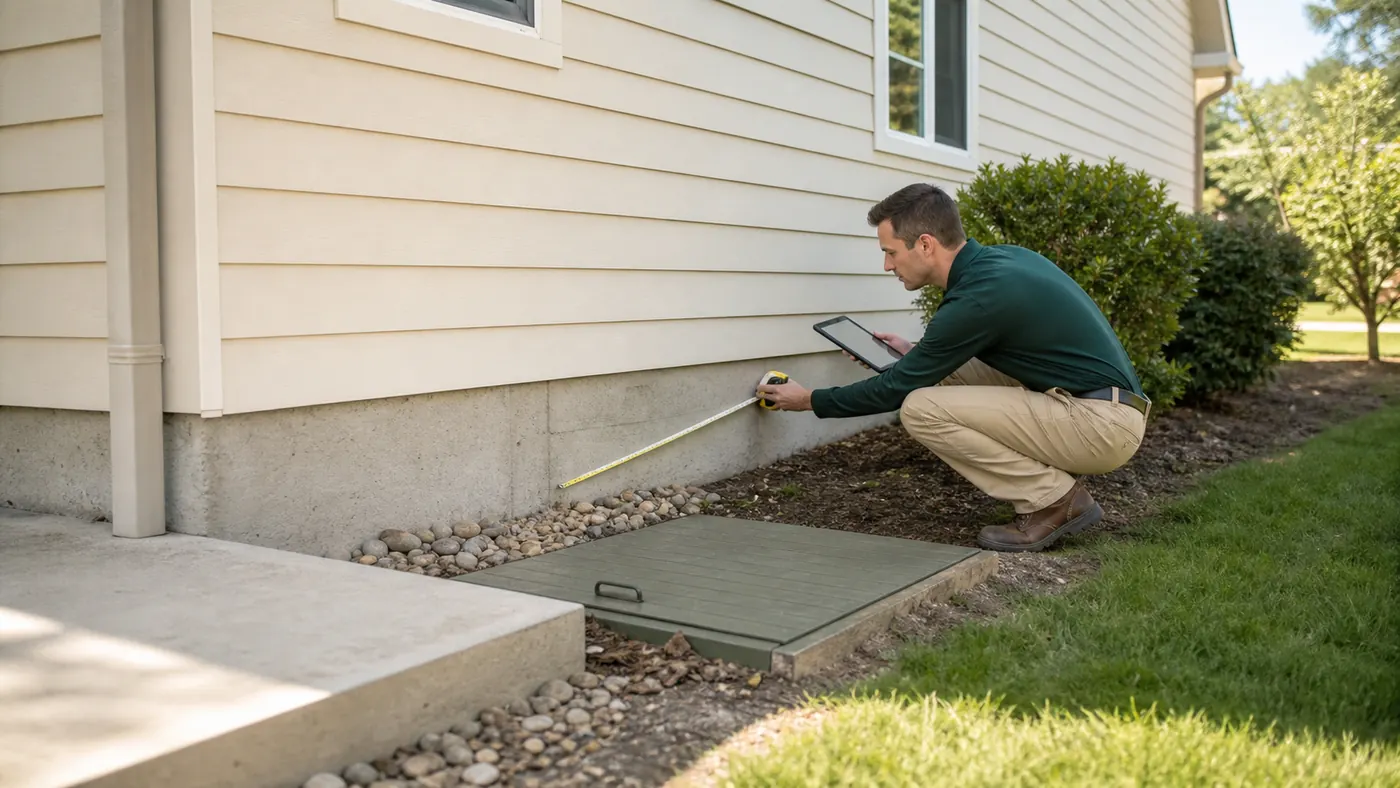
Even within the same construction type, access conditions vary. A crawlspace with adequate clearance and no obstructions is much easier to work in than one with low headroom, plumbing, ductwork, or debris. Finished basements, interior utility rooms, and landscaping close to the foundation can all increase the time and difficulty involved in reaching the areas a provider needs to treat.
Access conditions can change the labor and treatment scope even when two homes share the same construction type. If an area is difficult or unsafe to reach, a provider may account for added work in the proposal or identify locations that could not be fully accessed. The written estimate should explain those limitations rather than leave you to infer them from the total price.
3. Termite Type and Findings
Not all termites are treated the same way. The most widespread species in the United States is the native subterranean termite, which travels through soil and builds mud tubes to reach wood above ground. Drywood termites — less common and more regionally distributed — live directly inside wood without requiring soil contact and may call for different treatment methods, including localized or whole-structure approaches.
What an inspection reports as “evidence of termite activity” is not the same as a confirmed species identification, a colony-size estimate, or a treatment prescription. As the EPA notes, termites rarely emerge from soil or wood, which means what’s visible on the surface may underrepresent what’s present. A provider’s findings — and the scope they recommend — are based on their professional assessment, not on this or any other general guide.
4. Observed Activity and Scope of Infestation
A single mud tube near a foundation pier is a different finding than active galleries throughout structural framing members. The extent of observed activity — how many areas were affected, how accessible those areas are, and whether the inspection found signs in multiple locations — directly affects the scope of treatment a provider may recommend.
Scope also determines whether a proposal covers a localized treatment, a full-perimeter approach, or a combination. A written inspection report is the starting point for understanding scope, but the treatment proposal itself should make explicit what areas are covered, how they will be treated, and what is excluded.
5. Treatment Approach
The two broad treatment categories most commonly used for subterranean termites are liquid soil treatments and baiting/monitoring systems. Each has different upfront costs, ongoing requirements, and contract implications.
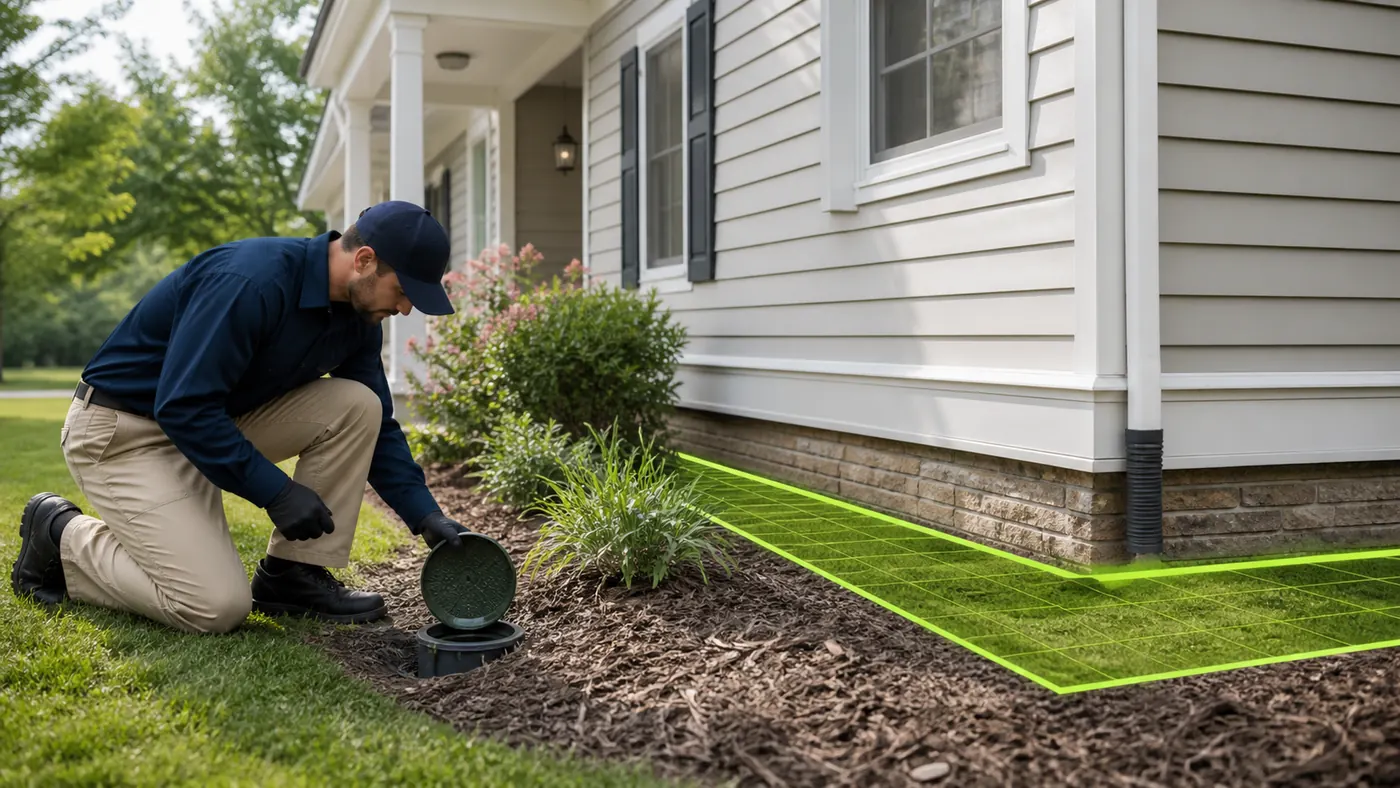
Liquid soil treatments involve applying a termiticide to the soil around and sometimes beneath the structure to create a treated zone. Bait and monitoring systems involve placing stations around the property perimeter that are checked and serviced on a schedule. Mississippi State University Extension acknowledges both approaches as established methods, with cost differences related to installation scope, ongoing service visits, and contract structure.
The EPA advises that pesticide-label requirements and state regulations govern how treatments are applied — factors that affect what a licensed provider can and cannot do, and how they price the work. No treatment decision should be made based on general descriptions; the provider’s written proposal and their explanation of the recommended approach are what matter for your specific property.
6. Monitoring, Follow-Up, and Annual Inspections
Some treatment proposals include follow-up inspections or monitoring visits as part of an initial package; others separate them into an annual renewal charge. The EPA’s guidance on selecting a pest control service specifically flags annual inspection charges as something consumers should understand and ask about — particularly because these charges may be tied to maintaining a warranty.
NC State Extension describes ongoing bait monitoring as a process requiring regular scheduled visits to check and service stations — meaning the ongoing service cost is built into the program’s design. Understanding what’s included in year one versus what you’ll pay in year two and beyond is essential for an accurate cost comparison.
7. Contract and Warranty Terms
What a warranty covers — retreatment, damage repair, or both — and for how long, varies significantly by provider and contract type. Texas A&M AgriLife Extension advises homeowners to carefully review warranty terms and renewal charges before signing, and to understand the conditions under which a warranty remains in force.
The EPA notes that responsibility for structural damage is not always included in a pest-control contract, and that consumers should clarify this distinction in writing. A contract that covers retreatment only is structurally different from one that covers damage repair — and that difference can affect both the contract price and your financial exposure if damage is found later.
Treatment Cost Versus Termite Damage Repair Cost
This distinction matters and is frequently misunderstood. A pest-control proposal covers the cost of treatment — applying a termiticide, installing monitoring stations, conducting follow-up visits, and providing whatever warranty the contract specifies. It does not automatically include the cost of repairing structural damage that termites may have caused.
Repairing damaged floor joists, subflooring, support beams, or wall framing is generally a separate scope of work from termite treatment and may require an appropriately qualified contractor. As the EPA advises, clarify in writing whether a pest-control contract includes any responsibility for structural damage, who would perform any covered repair, and what conditions apply before signing.
If an inspection report notes “termite damage” alongside “termite activity,” those are two different findings with potentially two different remediation paths and cost categories. A pest-control provider can typically address the infestation; a licensed contractor addresses the structural repair. Understanding which is which helps you compare proposals accurately.
For more context on what an inspection may reveal and document, see our guide on what happens during a termite inspection.
What a Written Termite Estimate Should Explain
Texas A&M AgriLife Extension recommends requesting a written proposal before agreeing to any termite service, and that advice applies regardless of your state. A written estimate gives you something to review, compare, and refer back to. Before accepting any proposal, look for the following:

- What areas are covered. Which parts of the property are included in the treatment scope, and which are excluded?
- What method will be used. Is this a liquid soil treatment, a bait/monitoring program, or a combination? What does that involve on your property specifically?
- What the total initial cost includes. Does it include the inspection fee, installation, initial treatment, and any follow-up visits — or are those separate line items?
- What ongoing costs apply. Is there an annual renewal or monitoring fee? When does it begin and what does it cover?
- What the warranty covers. Does it cover retreatment only, or does it include any responsibility for new damage? What conditions must be met to keep it in force?
- What the contract duration is. Is this a one-time service or an ongoing contract? What are the cancellation terms?
- What is explicitly excluded. Are there areas of the property, pest types, or damage categories that the proposal does not cover?
How to Compare Termite Treatment Quotes
Getting more than one written proposal is a standard recommendation — the EPA’s guidance on selecting a pest control service and Texas A&M AgriLife Extension both suggest comparing multiple providers before committing. But comparing quotes meaningfully requires more than looking at the bottom-line number.
When reviewing proposals side by side:
- Confirm each proposal covers the same areas and findings from the inspection report. A proposal that covers fewer treatment zones is not equivalent to one that covers more, even if the price is similar.
- Compare warranty terms separately from treatment price. A lower-cost proposal with a shorter or narrower warranty may cost more over time if retreatment or damage repair is needed.
- Clarify whether annual renewal fees are included in the quoted figure or begin after year one.
- Ask each provider to explain why they recommended their specific approach for your property — the answer will help you evaluate whether the scope is appropriate.
- Verify that each provider is licensed in your state. The EPA advises that firms offering termite services must be state-licensed, and recommends asking to see the license.
For more context on what to look for in a termite treatment and local-help options, see our termite-treatment and local-help options page.
Questions to Ask Before Agreeing to Service
Before signing any contract or authorizing treatment, consider asking each provider directly:
- What specifically did you observe during the inspection, and where?
- Why are you recommending this treatment method for my property and construction type?
- What areas of my property are included in this proposal, and what areas are not?
- Does this price include all follow-up visits in year one, or are those billed separately?
- What does the warranty cover — retreatment only, or damage repair as well?
- What conditions could void the warranty?
- Is your company licensed in this state? Can I see that documentation?
- What preparation, if any, do I need to do before the treatment date?
- How and when will I receive a written record of what was done?
These questions are not adversarial — they’re the same questions a well-informed homeowner asks of any significant home-services contractor. A provider who is unwilling to answer them clearly in writing is worth noting before you commit.
Frequently Asked Questions
Is a termite inspection cost separate from treatment cost?
Often, yes. Some providers charge a standalone inspection fee and apply it toward treatment if you proceed; others include the inspection as part of a service conversation. Ask before scheduling whether there is an inspection fee and how it relates to any subsequent proposal. PestReliefUSA does not set or confirm inspection fees — those are determined by the independent provider.
Why do termite treatment quotes vary so much between providers?
Quotes reflect each provider’s scope, method, warranty terms, annual service structure, and overhead — not just the cost of materials. Two proposals for the same property may differ substantially if they recommend different treatment approaches, cover different areas, or include different follow-up and warranty terms. Comparing scope, not just price, is the only reliable way to evaluate quotes.
Does homeowners insurance cover termite treatment or damage?
Termite damage is generally excluded from standard homeowners policies. For example, the Texas Department of Insurance lists termite damage among losses a home policy will not pay for. Coverage and exclusions depend on your policy and state, so review the policy language and ask your insurer to confirm how it applies to your situation.
How long does termite treatment take, and does it affect how long I’m out of my home?
Duration and any occupancy requirements depend on the treatment method, the treated areas, and the product label. The EPA advises homeowners to ask the applicator when they may reenter because the required interval varies by product. Get the provider’s preparation, reentry, and scheduling instructions in writing before the treatment date.
If I’ve already had termite treatment, do I still need ongoing service?
This depends on the treatment method, the contract terms, and the warranty conditions. Some treatments are designed as one-time applications; others are built around ongoing monitoring that is necessary to maintain the warranty. NC State Extension describes ongoing bait station monitoring as a regular, scheduled process — meaning the program is continuous by design. Review your existing contract or ask your provider what your current coverage includes and what conditions apply to any warranty in force.
A Practical Next Step
Understanding cost factors puts you in a better position to read a proposal critically, ask informed questions, and compare written quotes on equal terms. What it cannot do is tell you what treatment your property needs or what it will cost — those answers depend on what an inspection finds and what a licensed, independent provider recommends based on your specific home.
If you have received an inspection report or have noticed possible signs of termite damage and want to explore next steps, you can share your property details and explore available next steps. PestReliefUSA is a referral resource — we do not inspect, treat, quote, or guarantee provider availability. Independent providers determine scope, pricing, scheduling, and contract terms.